
Fruit and vegetables in German Names of fruit and vegetables on picture cards with article and plural; phrases for the market and the supermarket
In German, fruit is das Obst and vegetables are das Gemüse. The most common fruits are der Apfel (apple), die Banane (banana), die Orange (orange) and die Erdbeere (strawberry); the most common vegetables are die Tomate (tomato), die Kartoffel (potato), die Gurke (cucumber) and die Zwiebel (onion). Most names of fruit and vegetables are feminine, so they take die.
First come the fruits, then the vegetables, on picture cards with the article, the plural and the English meaning. Click a card to hear how the word is pronounced in German. After that you will find phrases for the market and the supermarket, tips on articles and a short exercise.
Fruit (das Obst)
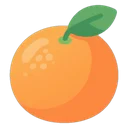 die Mandarinedie Mandarinenmandarin
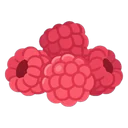 die Himbeeredie Himbeerenraspberry
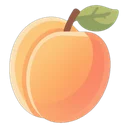 die Aprikosedie Aprikosenapricot
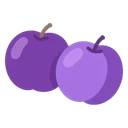 die Pflaumedie Pflaumenplum
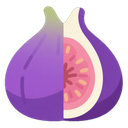 die Feigedie Feigenfig
 der Granatapfeldie Granatäpfelpomegranate
Fruit ending in -e: usually die
die Banane · die Birne · die Kirsche · die Erdbeere
Most names of fruit ending in -e are feminine and add -n in the plural: die Birnen. Some fruits are masculine, though, and simply have to be learnt: der Apfel, der Pfirsich, der Granatapfel.
Vegetables (das Gemüse)
 die Zucchinidie Zucchinicourgette
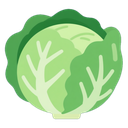 der Kohlno pluralcabbage
 der Blumenkohlno pluralcauliflower
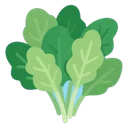 der Spinatno pluralspinach
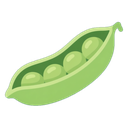 die Erbsedie Erbsenpea
Obst and Gemüse are collective nouns
Ich esse gern Obst. · Gemüse ist gesund.
das Obst and das Gemüse have no plural; on their own they mean "fruit" and "vegetables". Uncountable vegetables also stay singular: der Spinat, der Knoblauch, der Mais.
At the market and in the supermarket
| Example sentence | Meaning |
|---|---|
| Was kostet ein Kilo Äpfel? | How much is a kilo of apples? |
| Ich hätte gern ein Kilo Tomaten. | I'd like a kilo of tomatoes. |
| Ein Bund Petersilie, bitte. | A bunch of parsley, please. |
| Sind die Erdbeeren frisch? | Are the strawberries fresh? |
| Ich kaufe einen Apfel und eine Banane. | I'm buying an apple and a banana. |
| Im Salat sind Tomaten, Gurken und Zwiebeln. | There are tomatoes, cucumbers and onions in the salad. |
| Mein Lieblingsobst ist die Wassermelone. | My favourite fruit is watermelon. |
ein Kilo Tomaten: plural after a quantity
ein Kilo Tomaten · zwei Kilo Kartoffeln · ein Bund Petersilie
After a quantity word (ein Kilo, eine Packung, ein Bund) the noun follows directly: German needs no word for "of" here, and no "von". Countable nouns go into the plural: ein Kilo Äpfel (a kilo of apples).
einen Apfel: the masculine changes in the Akkusativ
Ich kaufe einen Apfel. · Ich kaufe eine Birne. · Ich esse ein Ei.
kaufen, essen and haben take the Akkusativ (accusative); only the masculine ein changes to einen. More on this: Akkusativ or Dativ?.
Test yourself
Which article? ____ Apfel
der. der Apfel, plural die Äpfel.
Which article? ____ Tomate
die. die Tomate, plural die Tomaten.
What is the German for "watermelon"?
die Wassermelone. The general word for melon is die Melone.
Fill in the gap: Ich kaufe ____ Apfel. (ein)
einen. der Apfel is masculine; kaufen takes the Akkusativ.
Right or wrong? Ich esse gern Obste.
Wrong. Obst has no plural: Ich esse gern Obst.
Frequently asked questions
What are the most common fruits in German?
The most common words for fruit are der Apfel (apple), die Birne (pear), die Banane (banana), die Orange (orange), die Zitrone (lemon), die Erdbeere (strawberry), die Traube (grape), die Kirsche (cherry), der Pfirsich (peach) and die Wassermelone (watermelon).
What are the most common vegetables in German?
The most common words for vegetables are die Tomate (tomato), die Kartoffel (potato), die Gurke (cucumber), die Zwiebel (onion), die Karotte (carrot), die Paprika (pepper), die Aubergine (aubergine), der Knoblauch (garlic) and der Salat (lettuce).
What are "fruit" and "vegetables" in German?
Fruit is das Obst and vegetables are das Gemüse. Both are collective nouns and have no plural: Ich esse gern Obst und Gemüse.
How do you learn the articles of fruit and vegetables?
Learn every word together with its article and plural: die Banane, die Bananen. Most names of fruit and vegetables ending in -e are feminine; learn the masculine ones, such as der Apfel and der Pfirsich, separately.
Keep learning
💬 From the garden and the market: Flowers and plants: die Rose, die Tulpe → · Quantities and prices: zwei Kilo, zwei Flaschen →
💬 Spices to go with vegetables: Spices: Salz, Kreuzkümmel, Minze →