
Spices, herbs and breakfast in German Spices, herbs and breakfast words with articles and plurals; taste adjectives and kitchen verbs
A spice in German is das Gewürz; the plural is die Gewürze. Salt is das Salz, black pepper der Pfeffer, cumin der Kreuzkümmel and mint die Minze. Breakfast is das Frühstück, and to have breakfast is frühstücken.
I have sorted the words into three groups: spices, herbs and breakfast. After that come taste adjectives, kitchen verbs and example sentences. The articles are colour-coded: der blue, die red, das green. Click a card to hear the pronunciation.
Spices: das Salz, der Pfeffer, der Kreuzkümmel
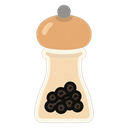 der Pfefferdie Pfefferblack pepper
Cumin: der Kreuzkümmel, not der Kümmel
cumin = der Kreuzkümmel · caraway = der Kümmel
In Germany, “Kümmel” usually means caraway, the seed often baked into bread. The cumin used in köfte (meatballs) and chickpea dishes is called Kreuzkümmel; in the supermarket it may also be labelled “Cumin”.
Herbs: die Minze, die Petersilie, der Thymian
Breakfast: das Frühstück
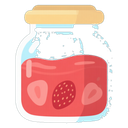 die Marmeladedie Marmeladenjam
Taste adjectives
| German | English | Example | Translation |
|---|---|---|---|
| scharf | hot, spicy | Die Soße ist sehr scharf. | The sauce is very hot. |
| salzig | salty | Die Oliven sind ziemlich salzig. | The olives are quite salty. |
| süß | sweet | Der Honig ist süß. | Honey is sweet. |
| sauer | sour | Die Zitrone ist sauer. | The lemon is sour. |
| bitter | bitter | Der Kaffee ist bitter. | The coffee is bitter. |
Kitchen verbs
| Verb | English | Example | Translation |
|---|---|---|---|
| würzen | to season | Ich würze die Suppe mit Minze. | I'm seasoning the soup with mint. |
| salzen | to salt | Hast du das Essen schon gesalzen? | Have you salted the food yet? |
| frühstücken | to have breakfast | Am Sonntag frühstücken wir lange. | On Sundays we have a long, leisurely breakfast. |
| den Tisch decken | to lay the table | Kannst du bitte den Tisch decken? | Can you lay the table, please? |
Example sentences
| Example sentence | Translation |
|---|---|
| Zum türkischen Frühstück gehören Oliven, Schafskäse, Tomaten und Gurken. | A Turkish breakfast includes olives, sheep's cheese, tomatoes and cucumbers. |
| Möchtest du dein Ei mit Pul Biber? Das sind scharfe Chiliflocken. | Would you like your egg with pul biber? That's hot chilli flakes. |
| Kannst du mir bitte das Salz geben? | Can you pass me the salt, please? |
| Zu Köfte passt Kreuzkümmel sehr gut. | Cumin goes really well with köfte (meatballs). |
Test yourself
Which article? ____ Salz
das. das Salz, plural die Salze (in chemistry).
What is 'cumin' in German?
der Kreuzkümmel. der Kümmel is caraway.
What is 'mint' in German?
die Minze.
What is the plural? das Ei → die ____
Eier.
How do you say 'This is very hot.' (chilli) in German?
Das ist sehr scharf. bitter is the bitterness of coffee.
Frequently asked questions
What is the German word for spice?
Spice is das Gewürz in German; the plural is die Gewürze. To season food is würzen, and to salt it is salzen.
How do you say cumin in German?
der Kreuzkümmel. In the supermarket it may also be labelled Cumin. der Kümmel, on the other hand, is caraway and tastes different.
Is hot food scharf or bitter in German?
For food with chilli or pepper, German uses scharf (Die Soße ist scharf). For a bitter taste, as in coffee or medicine, it uses bitter.
How do you describe a Turkish breakfast in German?
das türkische Frühstück: Oliven (olives), Schafskäse (sheep's cheese), Tomaten, Gurken, Eier, Honig, Marmelade and Tee. Words like sucuk and simit are usually known in Germany by their Turkish names.