Essen und Trinken – food and drink in German Basic foods, meals and everyday phrases
Food and drink is one of the most concrete topics at A1 level. This page covers the verbs essen and trinken, the basic words for food, the three main meals (Frühstück, Mittagessen, Abendessen) and everyday questions and answers.
Quick answer
What are the basic German words for food and drink?
You will use these words several times a day, so learn them with their articles:
| German | English | German | English |
|---|---|---|---|
| das Brot | bread | das Wasser | water |
| der Käse | cheese | der Kaffee | coffee |
| die Butter | butter | der Tee | tea |
| das Ei | egg | die Milch | milk |
| das Fleisch | meat | der Saft | juice |
| die Suppe | soup | das Bier | beer |
| der Reis | rice | der Apfel | apple |
| der Salat | salad | die Kartoffel | potato |
What do you say in a restaurant in German?
Four phrases are all you need to order; these are the ones to learn by heart:
Ich möchte bitte eine Suppe. (I'd like a soup, please.) – möchte is the most polite form.
Was empfehlen Sie? (What do you recommend?) · Ich nehme das. (I'll have that.)
Die Rechnung, bitte. (The bill, please.) · The question Zusammen oder getrennt? means "Are you paying together or separately?"
What are the meals called in German?
das Frühstück is breakfast, das Mittagessen lunch and das Abendessen dinner – all three are neuter.
Learn the verb together with the noun: frühstücken (to have breakfast), zu Mittag essen (to have lunch), zu Abend essen (to have dinner). Ich frühstücke um acht. (I have breakfast at eight.)
Important: essen (to eat) and trinken (to drink) are basic everyday verbs. essen is irregular: ich esse, du isst, er isst. trinken is regular in the present tense. Always learn the words for food and drink together with their articles.
🔀essen and trinken – conjugation
essen (to eat)
du isst · er/sie/es isst
wir essen · ihr esst
sie/Sie essen
trinken (to drink)
du trinkst · er/sie/es trinkt
wir trinken · ihr trinkt
sie/Sie trinken
💡 The du and er/sie/es forms of essen are the same: isst (not ist, from sein "to be"!). "er isst" = he eats, "er ist" = he is. Don't mix them up.
🍞Basic foods – Grundnahrungsmittel
 das Brötchendie Brötchenbread roll
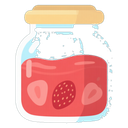 die Marmeladedie Marmeladenjam
 der Joghurtdie Joghurtsyoghurt
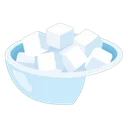 der Zuckerno pluralsugar
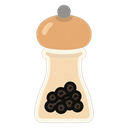 der Pfefferno pluralpepper
🥤Drinks – Getränke
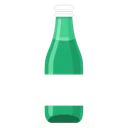 das Mineralwasserno pluralmineral water
 der Kakaono pluralcocoa
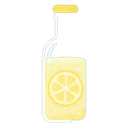 die Limodie Limoslemonade, fizzy drink
🍽️Die drei Mahlzeiten – the three meals
das Frühstück
Morgens esse ich gern Brot mit Butter und Honig oder Müsli mit Joghurt. Dazu trinke ich einen Milchkaffee oder Tee.
das Mittagessen
Mittags esse ich oft Fleisch mit Kartoffeln und Salat oder Nudeln mit Soße. Ich trinke Wasser oder Saft.
das Abendessen
Abends esse ich leicht: Brot mit Käse, Salat oder eine Suppe. Zum Trinken: Tee oder ein Glas Wein.
💬Questions and answers
Practical tips on food and drink
- "Mir schmeckt …" means "… tastes good to me". Mir schmeckt Pizza (I like pizza / pizza tastes good to me).
- "Ich esse gern …" and "Ich mag …" mean the same, but they are built differently: one is verb + gern, the other is mag + object.
- Remember the Akkusativ: "Ich nehme einen Kaffee" (Kaffee is masculine → einen).
- Restaurant phrases: "Ich möchte bitte …", "Was kostet …?", "Die Rechnung, bitte".
- Prepare a 2–3 sentence answer to the question "Was essen Sie zum Frühstück?"
Related topics
💬 Booking a table, ordering and asking for the bill have their own lesson: Ordering in a restaurant →
💬 Plates, forks, pots and kitchen appliances: Kitchen utensils →
💬 One more step in the kitchen: Spices: Salz, Kreuzkümmel, Minze →