Kitchen vocabulary in German In der Küche – tableware, cookware and appliances with articles and plurals; kitchen verbs and sentences
The German for kitchen is die Küche. The most common kitchen items are der Teller (plate), das Glas (glass), die Gabel (fork), das Messer (knife), der Löffel (spoon), der Topf (pot) and die Pfanne (frying pan). Fork, knife and spoon each have a different article – a good example of why you should always learn a noun together with its article.
I have put the words into three groups: things for the table, pots and kitchen tools, and kitchen appliances. After that come kitchen verbs and everyday sentences. The articles are colour-coded: der blue, die red, das green. Click a German word to hear how it is pronounced.
On the table: plates, glasses, cutlery
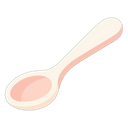 der Teelöffeldie Teelöffelteaspoon
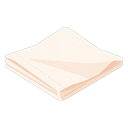 die Serviettedie Serviettennapkin
 das Tablettdie Tablettstray
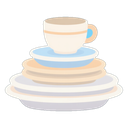 das Geschirrno pluralcrockery, dishes
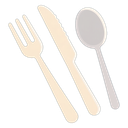 das Besteckno pluralcutlery
Fork, knife, spoon: three articles
die Gabel · das Messer · der Löffel
Three things from the same drawer, and each has a different article. das Geschirr (crockery) and das Besteck (cutlery) are collective nouns and are not used in the plural.
Pots, pans and kitchen tools
 der Deckeldie Deckellid
 das Schneidebrettdie Schneidebretterchopping board
 der Dosenöffnerdie Dosenöffnertin opener
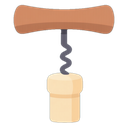 der Korkenzieherdie Korkenziehercorkscrew
Kitchen appliances
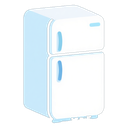 der Kühlschrankdie Kühlschränkefridge
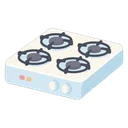 der Herddie Herdecooker, hob
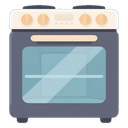 der Backofendie Backöfenoven
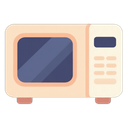 die Mikrowelledie Mikrowellenmicrowave
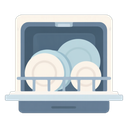 die Spülmaschinedie Spülmaschinendishwasher
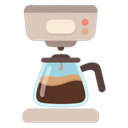 die Kaffeemaschinedie Kaffeemaschinencoffee machine
 der Wasserkocherdie Wasserkocherkettle
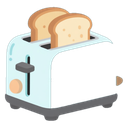 der Toasterdie Toastertoaster
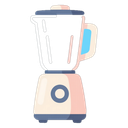 der Mixerdie Mixerblender, mixer
In a compound noun, the last part decides the article
die Kaffeemaschine · der Wasserkocher · das Schneidebrett
der Kaffee + die Maschine = die Kaffeemaschine; das Wasser + der Kocher = der Wasserkocher. Names of tools and appliances ending in -er are usually masculine: der Toaster, der Mixer, der Dosenöffner.
Kitchen verbs
| Verb | Meaning | Example | Translation |
|---|---|---|---|
| kochen | to cook | Heute koche ich Suppe. | I'm making soup today. |
| braten | to fry | Sie brät die Kartoffeln in der Pfanne. | She's frying the potatoes in the pan. |
| backen | to bake | Wir backen einen Kuchen. | We're baking a cake. |
| schneiden | to cut, to chop | Schneid bitte die Zwiebeln! | Chop the onions, please! |
| schälen | to peel | Ich schäle die Äpfel. | I'm peeling the apples. |
| den Tisch decken | to lay the table | Kannst du bitte den Tisch decken? | Can you lay the table, please? |
| abwaschen | to wash up | Wer wäscht heute ab? | Who's doing the washing-up today? |
Useful sentences in the kitchen
| Example sentence | Translation |
|---|---|
| Wo sind die Gläser? | Where are the glasses? |
| Gib mir bitte einen Löffel. | Give me a spoon, please. |
| Das Messer ist sehr scharf. | The knife is very sharp. |
| Stell die Milch in den Kühlschrank! | Put the milk in the fridge! |
| Die Milch steht im Kühlschrank. | The milk is in the fridge. |
| Die Teller sind in der Spülmaschine. | The plates are in the dishwasher. |
| Der Kuchen ist im Backofen. | The cake is in the oven. |
stellen or stehen?
Ich stelle das Glas auf den Tisch. · Das Glas steht auf dem Tisch.
When you put something somewhere (stellen, legen), the question is Wohin? (where to?) and the preposition takes the Akkusativ (accusative). For a position (stehen, liegen), the question is Wo? (where?) and it takes the Dativ (dative). More on this: legen, liegen, stellen, stehen (in Turkish).
Test yourself
Which article? ____ Messer
das. The plural is also die Messer.
Which article? ____ Gabel
die. Plural: die Gabeln.
What is the German for “fridge”?
der Kühlschrank. Plural: die Kühlschränke.
What is the plural? das Glas → die ____
Gläser. The a becomes ä, and -er is added.
Which article? ____ Kaffeemaschine
die. Because the last part is die Maschine.
Frequently asked questions
What are the most common German words for kitchen items?
The most common words are der Teller (plate), das Glas (glass), die Tasse (cup), die Gabel (fork), das Messer (knife), der Löffel (spoon), der Topf (pot), die Pfanne (frying pan) and der Kühlschrank (fridge).
How do you say fork, knife and spoon in German?
A fork is die Gabel, a knife is das Messer and a spoon is der Löffel. Together they are called das Besteck (cutlery).
What is the German for “fridge”?
A fridge is der Kühlschrank in German. The plural is die Kühlschränke.
How do you learn the articles of kitchen words?
Learn every word together with its article and plural. In compound nouns the last part decides the article: die Kaffeemaschine, der Wasserkocher. Names of tools and appliances ending in -er are usually masculine.
Keep learning
💬 Also in the kitchen: Spices and breakfast: Salz, Kreuzkümmel, Minze →