School things in German With articles, singular and plural: stationery, the classroom, school and school subjects
School things in German are die Schulsachen. The most common ones are der Stift (pen), das Heft (exercise book), das Buch (book), der Radiergummi (rubber) and die Schere (scissors). Every German noun has an article, so learn each word with its article and, if possible, its plural.
The words are in four groups: stationery, things in the classroom, people and places at school, and school subjects. The articles are colour-coded: der blue, die red, das green. Click any German word to hear how it is pronounced.
Stationery and bags: pen, exercise book, rubber
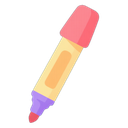 der Filzstiftdie Filzstiftefelt-tip pen
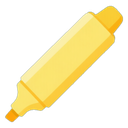 der Textmarkerdie Textmarkerhighlighter
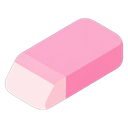 der Radiergummidie Radiergummisrubber, eraser
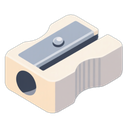 der Spitzerdie Spitzerpencil sharpener
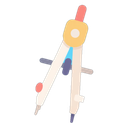 der Zirkeldie Zirkelcompasses
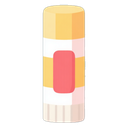 der Kleberdie Kleberglue
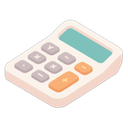 der Taschenrechnerdie Taschenrechnercalculator
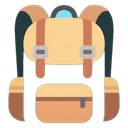 der Rucksackdie Rucksäckerucksack
In the plural the article is always die
der Stift · die Stifte · das Heft · die Hefte
In the singular the article can be der, die or das; in the plural every noun takes die. Masculine nouns ending in -er usually stay the same in the plural: der Spitzer, die Spitzer.
In the classroom: board, table, chair
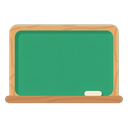 die Tafeldie Tafelnboard, blackboard
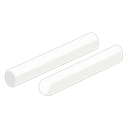 die Kreideno pluralchalk
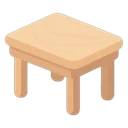 der Tischdie Tischetable, desk
 das Regaldie Regaleshelf
At school: teacher, pupil, break
 der Schulhofdie Schulhöfeschool playground
The female form is made with -in
der Lehrer · die Lehrerin · der Schüler · die Schülerin
For jobs and people, the female form is made with the ending -in, and its article is always die. The plural ends in -innen: die Lehrerinnen.
Nouns ending in -ung: die
die Prüfung · die Zeitung · die Übung
All nouns ending in -ung are feminine. Nouns ending in -chen, on the other hand, are always das: das Mäppchen.
School subjects (Schulfächer)
In speech, school subjects are mostly used without an article: Ich habe heute Mathe. (I have maths today.) Their articles are still given below.
Classroom phrases
| Example sentence | Meaning |
|---|---|
| Hast du einen Stift für mich? | Have you got a pen for me? |
| Kann ich deinen Radiergummi haben? | Can I have your rubber? |
| Ich habe mein Heft vergessen. | I have forgotten my exercise book. |
| Öffnet eure Bücher auf Seite zwölf. | Open your books at page twelve. |
| Wie sagt man das auf Deutsch? | How do you say that in German? |
| Wir haben heute keine Hausaufgaben. | We have no homework today. |
| Welches Fach magst du am liebsten? | Which subject do you like best? |
Don’t forget the accusative
Ich brauche einen Stift. · Hast du eine Schere? · Ich habe ein Heft.
brauchen, haben and kaufen take the accusative: masculine ein becomes einen. Feminine and neuter stay the same. More: Accusative or dative.
Test yourself
Which article? ____ Heft
das. das Heft, plural die Hefte.
What is the plural? das Buch → die ____
Bücher. The u in the stem becomes ü and -er is added.
What is the German for ‘scissors’?
die Schere. Plural: die Scheren.
Fill in the gap: Hast du ____ Radiergummi? (ein)
einen. der Radiergummi is masculine; haben takes the accusative.
How do you say ‘female teacher’ in German?
die Lehrerin. Plural: die Lehrerinnen.
Frequently asked questions
What are the most common school things in German?
The most common words for school things are der Stift (pen), der Bleistift (pencil), der Kugelschreiber (ballpoint pen), der Radiergummi (rubber), der Spitzer (pencil sharpener), das Lineal (ruler), die Schere (scissors), das Heft (exercise book), das Buch (book) and die Schultasche (school bag).
What is the German for ‘pen’?
A pen is der Stift. A pencil is der Bleistift, a ballpoint pen der Kugelschreiber or, for short, der Kuli, and a fountain pen der Füller.
What is the German for ‘rubber’ (eraser)?
A rubber is der Radiergummi. The plural is die Radiergummis.
How do you learn the articles of school things?
Learn each word with its article and plural: der Stift, die Stifte. Nouns ending in -ung always take die, nouns ending in -chen always take das. In the plural every noun takes die.